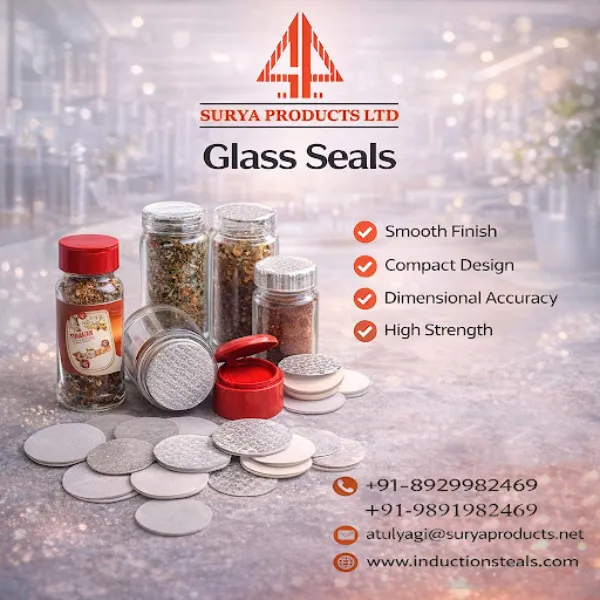
Bottle seals play a much bigger role than simply closing a container. They help preserve product freshness, protect against contamination, provide tamper evidence, and improve customer confidence from manufacturing through final delivery. Whether packaging pharmaceuticals, food products, beverages, cosmetics, lubricants, or agrochemicals, selecting the right bottle sealing solution is an important part of maintaining product quality.
For manufacturers across Delhi, where packaging industries serve both domestic and export markets, choosing reliable bottle seals can reduce packaging failures while supporting regulatory and customer expectations.
Why Bottle Seals Matter
Every packaged product is exposed to handling, transportation, storage, and changing environmental conditions before reaching the end user. A properly designed bottle seal creates an additional protective barrier beneath the cap, helping maintain the integrity of the contents.
Bottle seals are commonly used for:
- Pharmaceutical bottles
- Food packaging containers
- Beverage bottles
- Cosmetic jars and bottles
- Chemical containers
- Lubricant packaging
- Agricultural product containers
- Nutraceutical packaging
Different industries require different sealing materials depending on the product, filling process, and shelf-life requirements.
Main Functions of Bottle Seals
A quality bottle seal performs several important functions beyond simply preventing leaks.
Product Protection
The seal acts as a barrier against moisture, oxygen, dust, and other contaminants that could affect product quality.
Tamper Evidence
Many bottle seals clearly indicate whether a package has been opened, helping consumers identify potential tampering before use.
Leak Prevention
Properly matched seals reduce the possibility of liquid leakage during transportation and storage.
Shelf-Life Support
By limiting exposure to external elements, bottle seals help products remain stable for longer periods under recommended storage conditions.
Brand Confidence
Consumers often associate secure packaging with higher product quality and greater trust in the manufacturer.
Types of Bottle Seals
Different packaging applications require different sealing technologies.
Some commonly used options include:
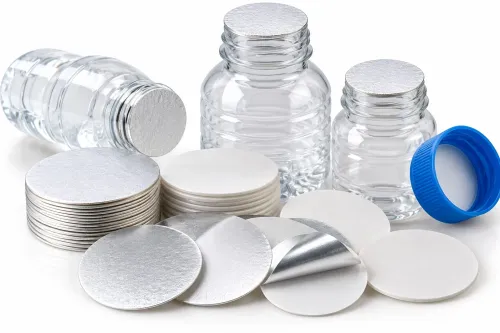
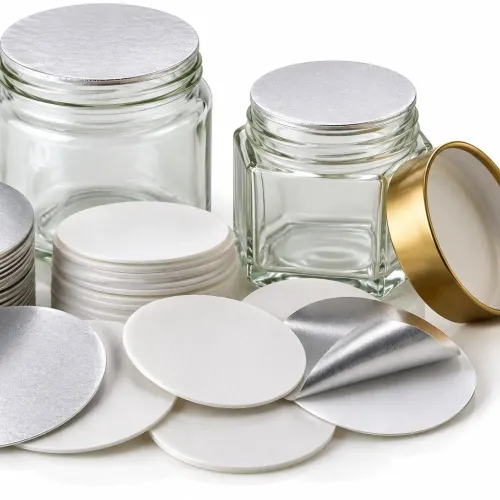
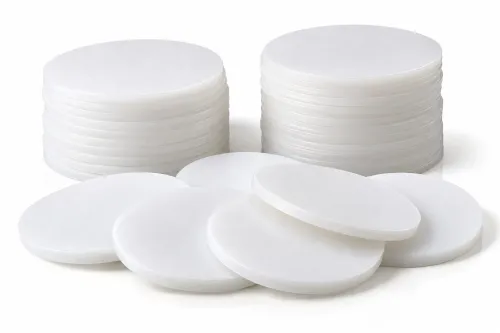
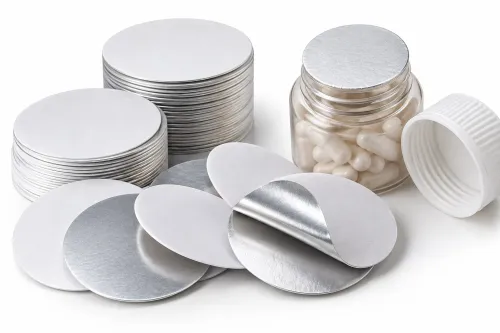
- Induction sealing wads
- Pressure-sensitive seals
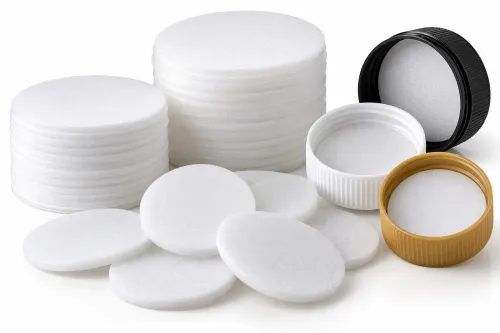
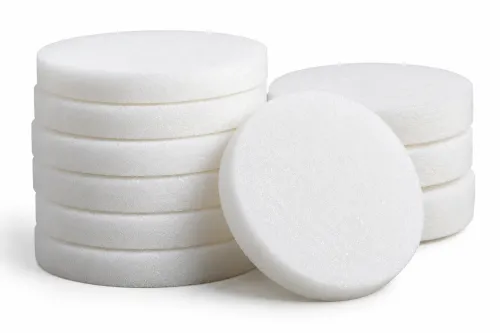
- Foam sealing wads
- Aluminum foil sealing wads
- Bottle cap liners
- Multi-layer laminated seals
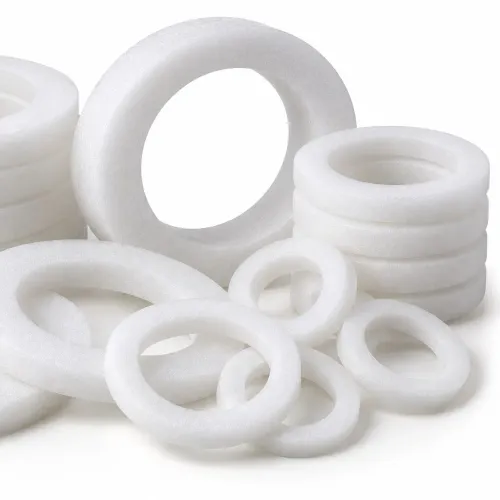
- EPE-based sealing components
The ideal choice depends on container material, cap design, filling temperature, and product characteristics.
Factors to Consider Before Selecting Bottle Seals
Choosing the correct sealing solution requires evaluating multiple packaging variables.
Important considerations include:
- Container material (PET, HDPE, PP, glass)
- Neck finish dimensions
- Cap compatibility
- Product viscosity
- Filling temperature
- Shelf-life expectations
- Transportation conditions
- Regulatory requirements
- Production speed
- Export packaging standards
Working with a sealing specialist can simplify this evaluation process and reduce compatibility issues.
Industries That Depend on Bottle Seals
Bottle seals are widely used because they provide protection across many manufacturing sectors.
Industries include:
- Pharmaceutical manufacturing
- Dairy processing
- Packaged foods
- Edible oils
- Personal care products
- Cosmetics
- Chemicals
- Agrochemicals
- Automotive lubricants
- Health supplements
Each industry has unique packaging requirements that influence seal selection.
Common Packaging Challenges
Using an unsuitable sealing material can create several operational problems.
Manufacturers may experience:
- Leakage during transport
- Loose seals
- Incomplete induction bonding
- Customer complaints
- Reduced shelf life
- Product contamination
- Packaging rejection
- Increased returns
Many of these issues can be minimized through proper material selection and consistent quality testing.
Quality Checks Before Large-Scale Production
Before commercial production begins, manufacturers typically evaluate sealing performance through testing.
These checks may include:
- Seal integrity testing
- Peel strength evaluation
- Leak testing
- Compatibility testing
- Heat resistance assessment
- Storage simulation
- Transportation testing
Testing helps identify potential issues before products enter the market.
Supporting Modern Packaging Requirements
As packaging standards continue to evolve, manufacturers increasingly seek sealing materials that combine safety, consistency, and production efficiency. Companies such as Surya Products Limited develop bottle sealing solutions for diverse industries, offering products that support automated packaging operations as well as export-oriented manufacturing. Information about their product range is also available through the company's website, helping packaging professionals better understand available sealing technologies.
Choosing the Right Bottle Seal
Selecting the right bottle seal involves more than matching a cap to a container. Product characteristics, packaging equipment, storage conditions, and distribution requirements all influence performance. Businesses that evaluate these factors early are better positioned to reduce packaging defects, improve product protection, and deliver a consistent customer experience across domestic and international markets.
Keywords