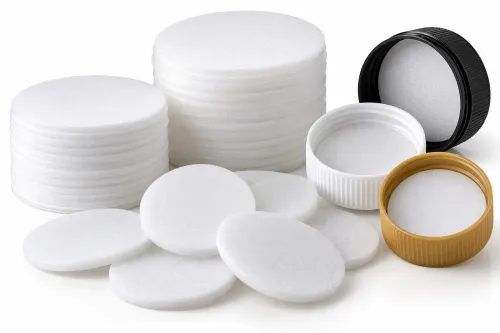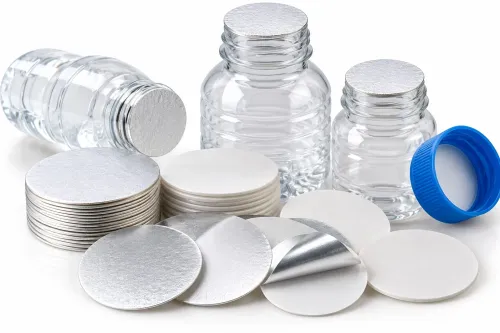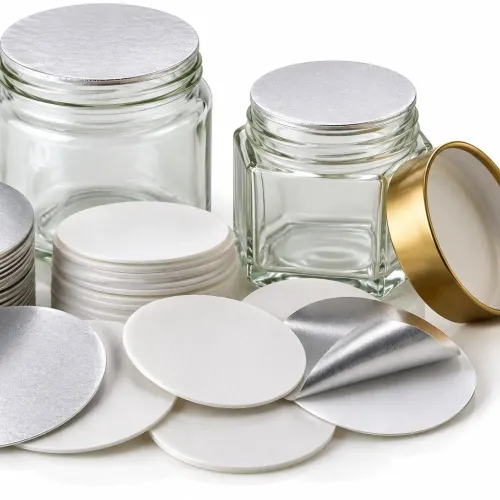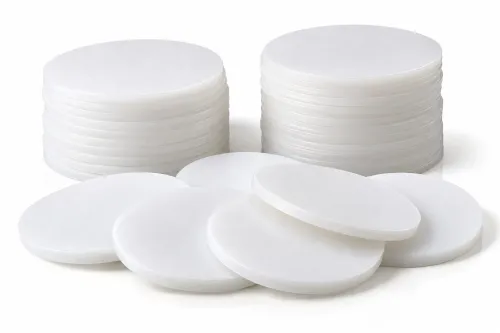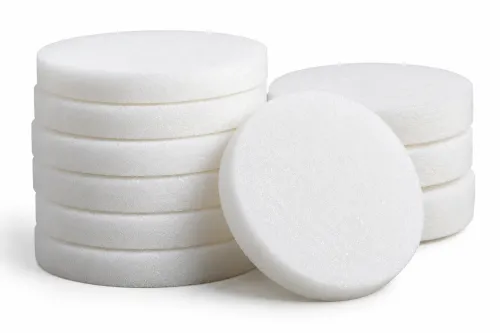
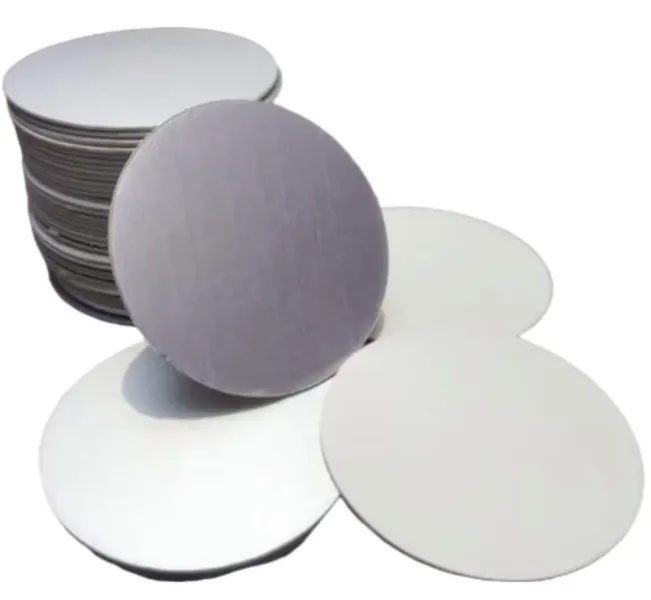
Packaging is more than just giving a product an attractive appearance. It also plays an important role in protecting the contents inside the container. Whether it is food, pharmaceuticals, cosmetics, chemicals, or edible oils, every manufacturer wants to ensure that products reach customers safely. This is where Induction Sealing Wads become an essential packaging component.
Manufacturers across Delhi increasingly rely on induction sealing technology because it helps improve product safety, extends shelf life, and enhances consumer confidence. An induction sealing wad creates a secure seal between the container and its cap, preventing leakage, contamination, and tampering during storage and transportation.
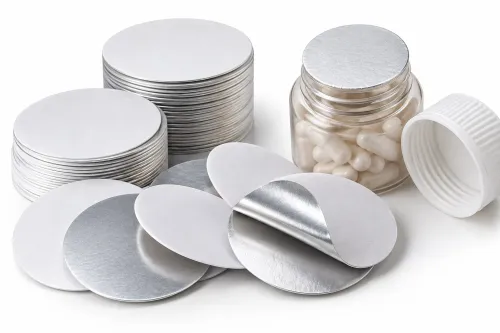
The sealing process works through electromagnetic induction. Once the cap containing the induction wad is placed on the filled container, the induction sealing machine generates heat within the foil layer. This heat bonds the sealing material to the container opening, creating an airtight and leak-resistant seal. The process is quick, efficient, and suitable for high-speed production lines.
Different industries use induction sealing wads for different reasons. Food manufacturers use them to preserve freshness and maintain hygiene. Pharmaceutical companies rely on them to protect medicines from moisture and contamination. Cosmetic brands use induction seals to prevent leakage while improving product presentation. Chemical manufacturers benefit from the additional protection against accidental spills during transportation.
A quality induction sealing wad offers several advantages:
- Prevents product leakage
- Protects against moisture and air exposure
- Provides evidence of tampering
- Helps maintain product freshness
- Supports compliance with packaging quality standards
- Improves consumer trust
Another important benefit is compatibility. Induction sealing wads are available for multiple container materials, including PET, HDPE, PP, and glass bottles. Manufacturers can select the appropriate sealing structure based on the product formulation, filling process, and storage conditions.
Businesses in Delhi often handle products that travel long distances through distributors, warehouses, and retailers. During transportation, packages experience vibration, pressure, and changing temperatures. A properly sealed container reduces the chances of leakage and product damage, helping businesses minimize losses and customer complaints.
Selecting the correct induction sealing wad involves evaluating several factors:
- Container material
- Cap design
- Product composition
- Required shelf life
- Filling temperature
- Storage environment
Working with an experienced manufacturer can simplify this selection process. Companies such as Surya Products Limited provide sealing solutions designed for different packaging applications, helping manufacturers choose options suited to their production requirements.
As packaging technology continues to evolve, induction sealing remains one of the most reliable methods for protecting packaged goods. Manufacturers are increasingly focusing on product integrity, regulatory compliance, and customer satisfaction, making induction sealing an important part of modern packaging systems.
For businesses in Delhi looking to improve packaging quality, investing in suitable induction sealing wads is a practical step toward reducing leakage, improving shelf stability, and delivering products that meet customer expectations.
Keywords