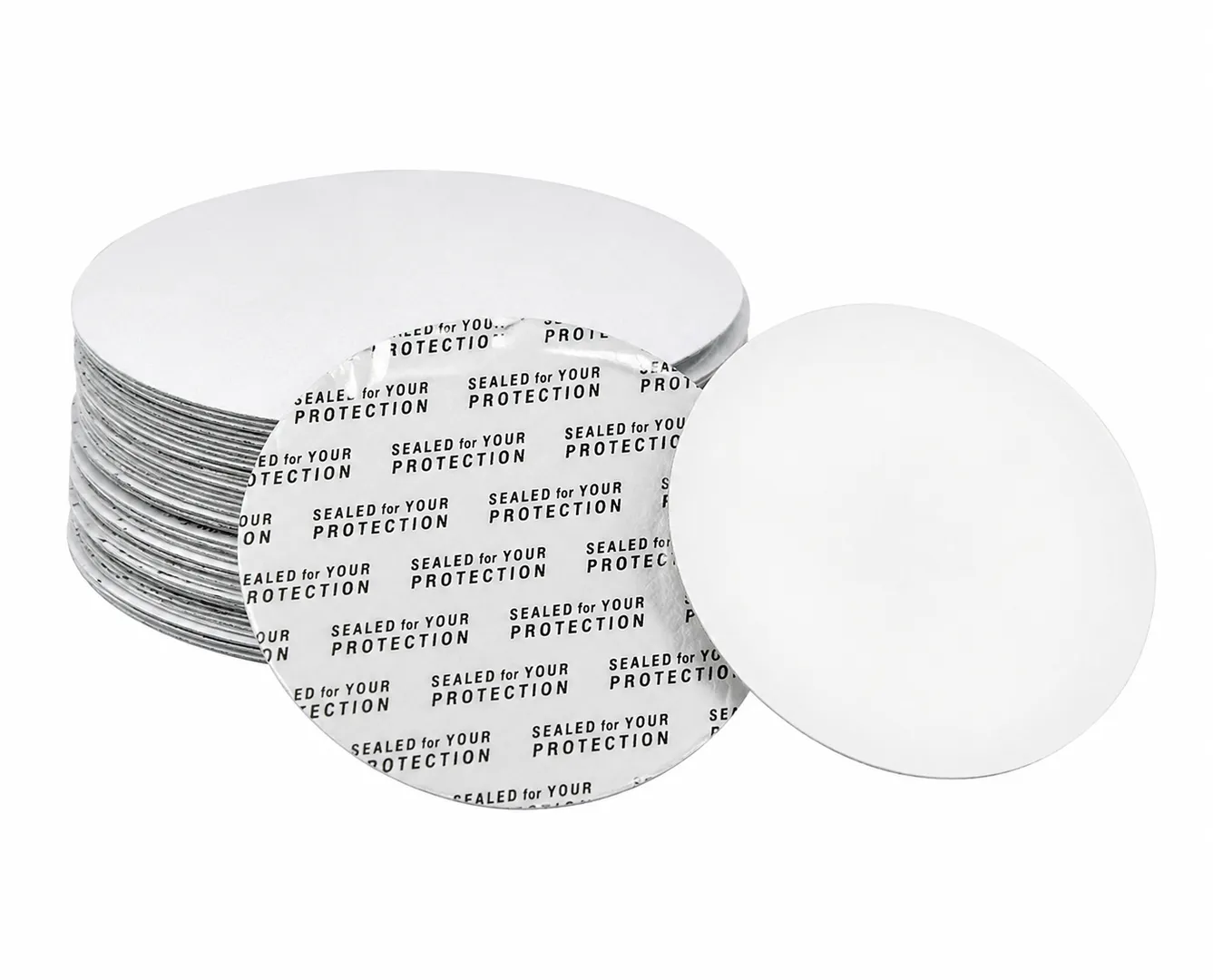
Packaging performance depends on every component working together to protect the product inside the container. Among the most widely used sealing solutions today, Induction Seal Wads have become an industry standard for creating leak-resistant, tamper-evident, and hygienic packaging. They are used across pharmaceuticals, food processing, cosmetics, chemicals, dairy products, lubricants, and nutraceuticals because they provide an additional layer of protection after the bottle is closed.
For manufacturers in Gurgaon, where packaging facilities supply products to domestic and international markets, understanding how induction seal wads work can help improve packaging quality while reducing product loss during storage and transportation.
What Are Induction Seal Wads?
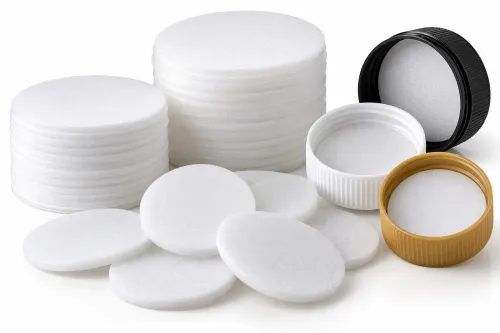
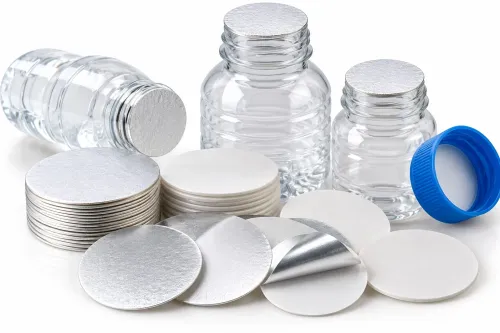
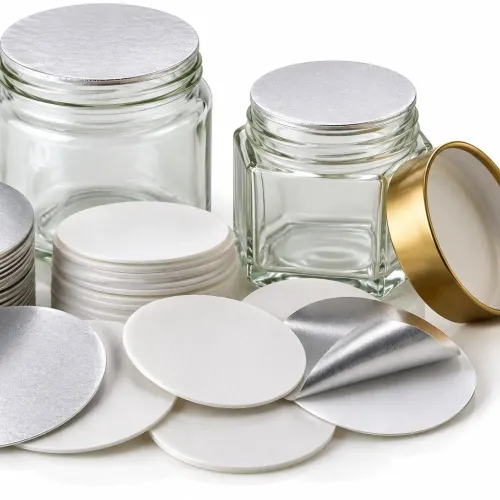
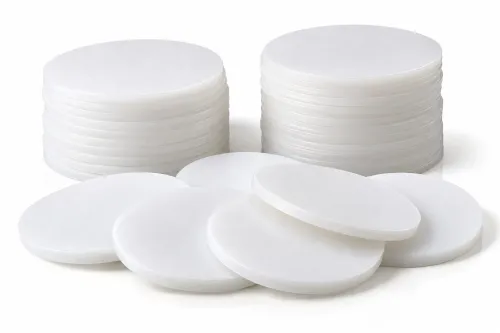
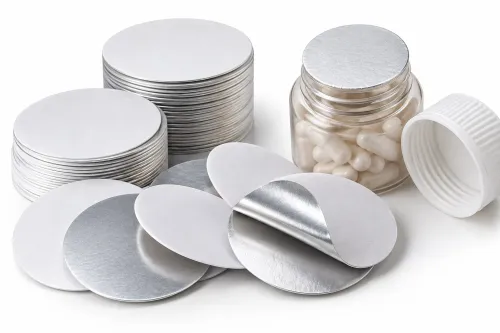
An induction seal wad is a multi-layer sealing component placed inside a bottle cap. After the cap is applied, an induction sealing machine generates electromagnetic energy that bonds the foil layer to the mouth of the container.
The result is a secure seal that remains attached to the bottle until the consumer removes it, providing visible evidence if the package has been opened.
This technology is suitable for both plastic and glass containers when the correct sealing material is selected.
Why Manufacturers Use Induction Seal Wads
Induction sealing offers several practical advantages over conventional sealing methods.
Some of the major benefits include:
- Reliable leak prevention
- Tamper-evident packaging
- Protection against moisture and contaminants
- Improved shelf life
- Better product freshness
- Professional packaging appearance
- Compatibility with automated production lines
- Increased consumer confidence
These advantages have made induction sealing one of the preferred packaging solutions across many industries.
Industries That Commonly Use Induction Seal Wads
Induction sealing technology is suitable for numerous packaging applications.
It is widely used in:
- Pharmaceutical products
- Packaged foods
- Dairy products
- Beverage bottles
- Cosmetic containers
- Personal care products
- Lubricants
- Agrochemical packaging
- Household cleaning products
- Nutritional supplements
Each industry may require different sealing structures depending on the product characteristics and packaging material.
Factors to Consider Before Choosing Induction Seal Wads
Every packaging application is different, making it important to match the sealing wad to the product and container.
Manufacturers should evaluate:
- Bottle material
- Cap size
- Neck finish dimensions
- Filling temperature
- Product composition
- Production speed
- Required shelf life
- Storage conditions
- Transportation requirements
- Regulatory standards
Selecting the correct combination helps ensure consistent sealing performance throughout production.
Common Packaging Problems Caused by Incorrect Seal Selection
Using the wrong induction seal wad can create several operational challenges.
These may include:
- Incomplete foil bonding
- Product leakage
- Seal wrinkles
- Weak adhesion
- Difficult seal removal
- Reduced shelf stability
- Production downtime
- Higher rejection rates
Proper testing before full-scale production helps minimize these issues.
Best Practices for Reliable Induction Sealing
Manufacturers can improve sealing consistency by following a few practical guidelines.
These include:
- Selecting the correct liner material
- Using compatible bottle and cap combinations
- Maintaining clean bottle necks
- Calibrating induction sealing equipment regularly
- Monitoring sealing temperature and speed
- Performing routine seal integrity tests
- Inspecting production batches periodically
Following these practices helps maintain packaging quality across high-volume production runs.
Why Quality Manufacturing Matters
Even advanced sealing equipment cannot compensate for inconsistent sealing materials. High-quality induction seal wads are manufactured with controlled material thickness, reliable foil bonding, and consistent dimensions to ensure predictable sealing performance.
Packaging manufacturers increasingly prefer suppliers that maintain strict quality control, provide technical support, and offer solutions tailored to different industries.
Companies such as Surya Products Limited manufacture induction sealing solutions for pharmaceutical, food, cosmetic, chemical, and industrial packaging sectors. Their experience in bottle closure systems supports businesses seeking dependable sealing components for automated packaging operations.
Making the Right Packaging Decision
Choosing suitable Induction Seal Wads is an important step toward achieving secure, hygienic, and reliable packaging. By evaluating container compatibility, production requirements, product characteristics, and sealing quality, manufacturers can reduce packaging failures, improve operational efficiency, and deliver products that reach customers in the intended condition.
Keywords