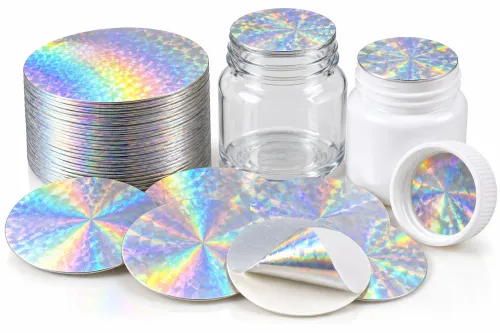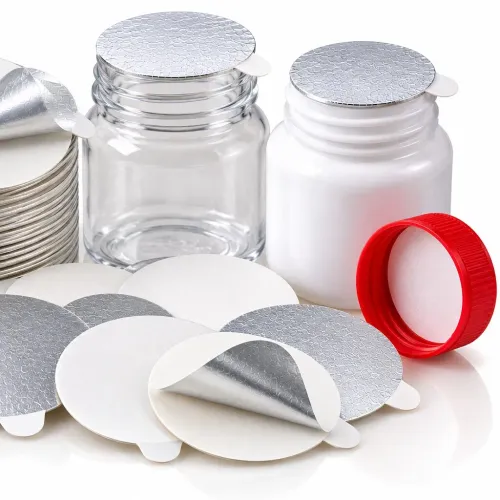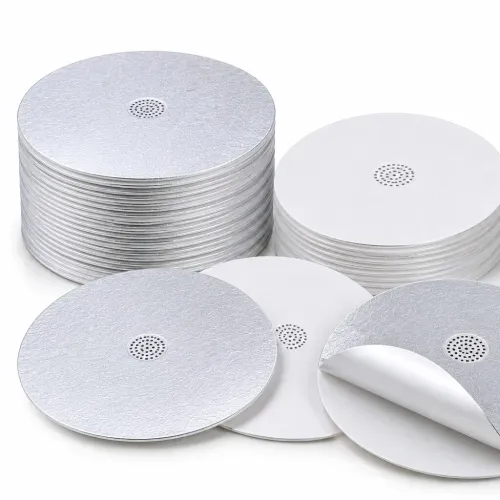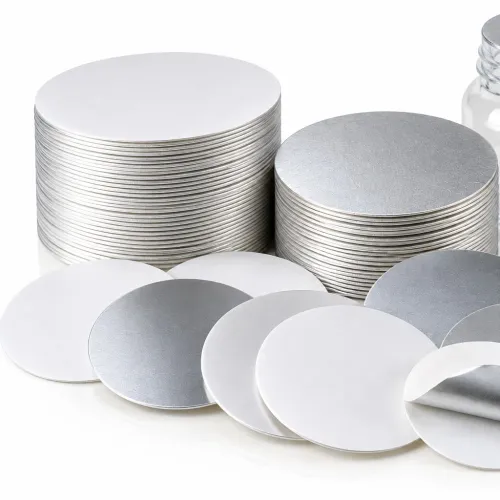
Packaging manufacturers are constantly looking for ways to improve product protection without adding unnecessary complexity to their production process. Among the many closure components used in modern packaging, EPE Rings have become an important solution for creating dependable seals in bottles and containers used across multiple industries. From pharmaceuticals and dairy products to lubricants and cosmetics, these lightweight sealing components help reduce leakage, improve product safety, and support consistent packaging performance.
For manufacturers operating in Gurgaon, where industrial production and packaging requirements continue to grow, understanding how EPE rings function can help businesses select sealing solutions that match their products and packaging systems.
What Are EPE Rings?
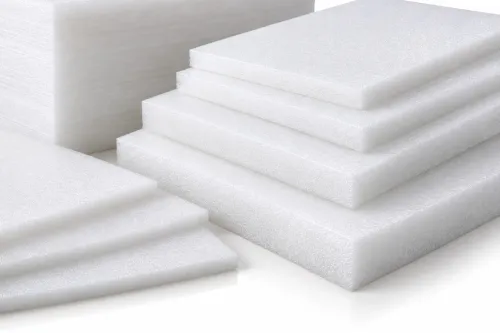
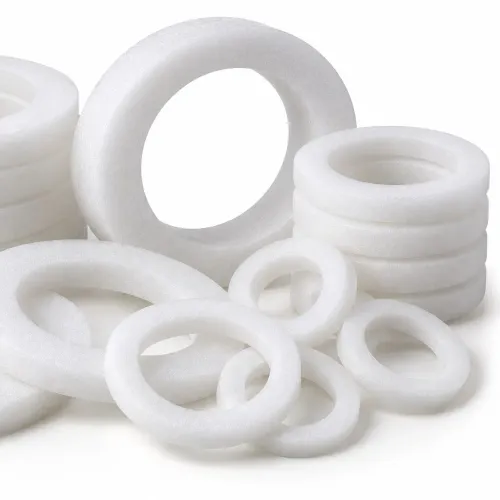
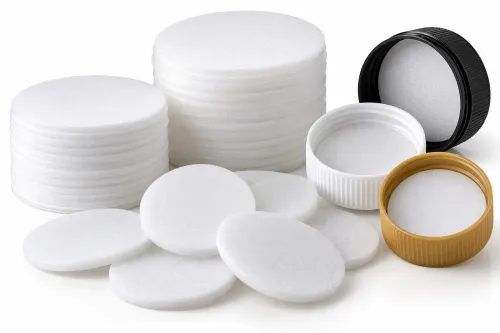
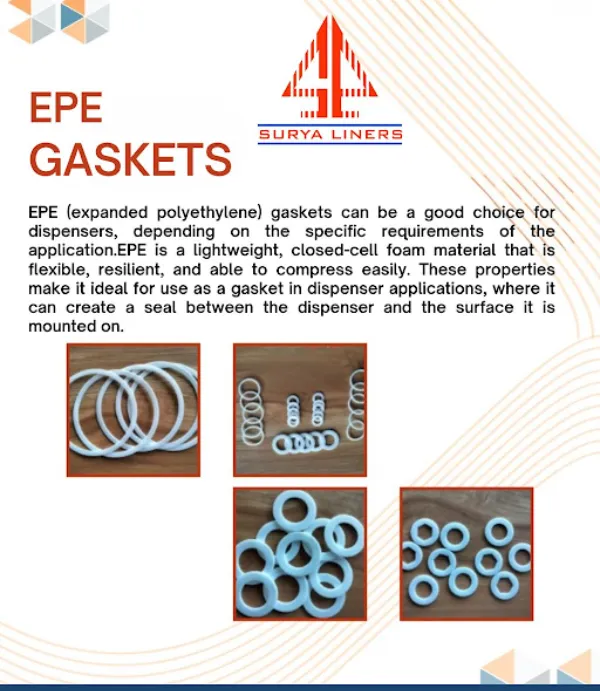
Expanded Polyethylene (EPE) Rings are foam-based sealing inserts fitted inside bottle caps. When the cap is tightened, the ring compresses against the bottle neck to create a secure seal. Unlike induction seals, EPE rings do not require heat sealing equipment, making them suitable for a wide variety of packaging applications.
They are commonly used in plastic bottles, glass containers, jars, and industrial packaging where reliable closure performance is required.
Why Manufacturers Choose EPE Rings
EPE rings are widely accepted because they provide an effective balance between sealing performance, production efficiency, and cost.
Some of their key advantages include:
- Excellent leak resistance
- Good cushioning properties
- Lightweight construction
- Easy integration with different cap designs
- Compatibility with automated packaging lines
- Moisture resistance
- Chemical resistance for many applications
- Consistent sealing performance during transportation
These characteristics make them suitable for both domestic distribution and export packaging.
Industries That Commonly Use EPE Rings
Because different products require different packaging solutions, EPE rings are used across a broad range of industries.
Typical applications include:
- Pharmaceutical packaging
- Dairy and food products
- Edible oil bottles
- Beverage containers
- Cosmetic packaging
- Personal care products
- Chemical containers
- Agrochemical bottles
- Automotive lubricants
- Household cleaning products
Each application requires selecting the correct ring thickness and density based on the container design.
Factors That Influence Sealing Performance
Not every sealing issue is caused by the EPE ring itself. Several packaging variables determine how effectively the seal performs.
Manufacturers should evaluate:
- Bottle neck dimensions
- Cap design
- Compression force
- Filling temperature
- Product viscosity
- Storage conditions
- Transportation distance
- Container material
Even small variations in bottle or cap manufacturing can affect sealing consistency.
Common Packaging Problems That EPE Rings Help Reduce
When properly selected, EPE rings can help minimize several packaging challenges.
These include:
- Minor product leakage
- Moisture ingress
- Dust contamination
- Cap looseness during transport
- Product evaporation
- Reduced shelf stability
- Customer complaints related to packaging
While no sealing solution eliminates every packaging risk, choosing compatible materials significantly improves reliability.
Selecting the Right EPE Ring
Manufacturers should avoid choosing sealing inserts based solely on price. A lower-cost component may lead to higher packaging losses if it does not perform consistently.
Consider the following before finalizing an EPE ring:
- Foam density
- Ring thickness
- Bottle compatibility
- Product type
- Compression characteristics
- Regulatory requirements
- Production speed
- Storage environment
Packaging trials before large-scale production help identify the most suitable option.
Supporting High-Volume Manufacturing
Modern packaging lines require sealing components that can perform consistently over thousands of production cycles. Reliable EPE rings contribute to smoother filling operations by reducing interruptions caused by sealing failures.
Companies such as Surya Products Limited manufacture EPE-based sealing components for various industrial sectors. Their experience in bottle closure solutions supports manufacturers looking for dependable sealing materials that integrate efficiently with different packaging systems while meeting evolving market requirements.
Looking Ahead
As packaging standards continue to evolve, manufacturers are placing greater emphasis on product safety, operational efficiency, and customer satisfaction. EPE rings remain an important part of bottle closure systems because they offer a practical combination of sealing performance, ease of application, and compatibility with a wide range of packaging formats.
Businesses that carefully match EPE rings with their containers, caps, and product requirements are better positioned to reduce packaging defects, improve product protection, and maintain consistent quality throughout storage, transportation, and final delivery.
Keywords